
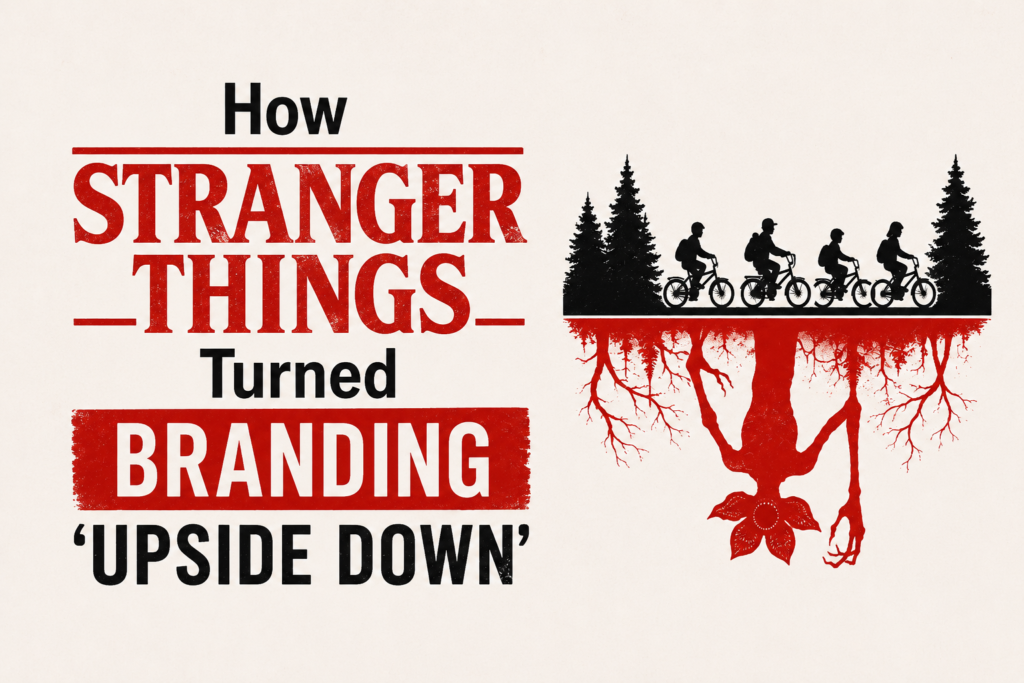
In today’s competitive digital world, brands are no longer selling just products — they are selling emotions, experiences, and stories. One of the best modern examples of storytelling in branding comes from Stranger Things. The Netflix sensation didn’t simply entertain audiences; it completely changed how businesses think about emotional connection and brand engagement.
From retro-inspired campaigns to unforgettable collaborations, Stranger Things became a blueprint for brands looking to create deeper audience relationships. It proved that when storytelling and emotion work together, marketing becomes more than promotion — it becomes culture.
The Power of Storytelling in Branding
Great branding tells a story people can connect with emotionally. Stranger Things mastered this by combining mystery, friendship, nostalgia, and adventure into a universe audiences wanted to live in. Instead of relying only on advertisements, the show built a strong emotional identity that fans instantly recognized.
This is why storytelling in branding is so powerful. Consumers remember stories more than sales messages. The emotional journey of Eleven, Mike, Dustin, and the gang made viewers feel personally attached to the series, which increased loyalty far beyond normal entertainment marketing.
Brands today can learn an important lesson from this approach: people buy feelings before they buy products.
Nostalgia: The Emotional Trigger That Worked
One of the strongest emotional branding examples from Stranger Things was its use of 1980s nostalgia. The music, arcade games, fashion, and visual aesthetics instantly transported audiences into another era. Even younger viewers who never lived through the 80s became emotionally invested in the experience.
Netflix understood that nostalgia creates comfort and familiarity. That emotional response helped the series stand out in a crowded streaming market. More importantly, it opened opportunities for major brand collaborations that felt natural rather than forced.
Companies like Coca-Cola, Burger King, and LEGO partnered with Stranger Things by integrating retro themes into their campaigns. Instead of traditional advertising, these collaborations became immersive experiences that audiences genuinely enjoyed.
Brand Collaborations That Felt Authentic
Many partnerships fail because they look overly promotional. Stranger Things succeeded because every collaboration matched the show’s identity and storytelling style.
For example, Coca-Cola brought back its “New Coke” campaign from the 1980s to align with the series timeline. This wasn’t just a product launch — it was an extension of the Stranger Things universe. Fans felt like they were participating in the story itself.
This strategy highlights one of the most effective emotional branding examples in recent years. When audiences emotionally connect with a narrative, branded experiences feel less like marketing and more like entertainment.
Creating a Community Instead of an Audience
Another reason Stranger Things transformed branding was its ability to create fandom culture. Social media discussions, fan theories, memes, and cosplay all became part of the brand experience.
This is the future of storytelling in branding. Successful brands no longer communicate in one direction. They create communities where audiences actively participate in the story.
Netflix encouraged this interaction through teaser campaigns, immersive events, and interactive online content. Fans didn’t just watch Stranger Things — they became part of its world.
What Businesses Can Learn from Stranger Things
The success of Stranger Things offers valuable lessons for businesses of all sizes:
- Focus on emotional connection instead of hard selling
- Build a consistent brand story people remember
- Use nostalgia and culture strategically
- Create experiences audiences want to share
- Make collaborations feel authentic and meaningful
Modern consumers are overwhelmed with advertisements every day. Brands that stand out are the ones that make people feel something.
Conclusion
Stranger Things didn’t just change entertainment marketing — it redefined how brands communicate with audiences emotionally. Through nostalgia, immersive storytelling, and authentic partnerships, the series became one of the strongest modern examples of storytelling in branding.
For marketers and businesses, the message is clear: emotional connection drives loyalty, engagement, and long-term brand success. Stranger Things turned branding “Upside Down” by proving that the best marketing doesn’t feel like marketing at all — it feels like a story worth experiencing.